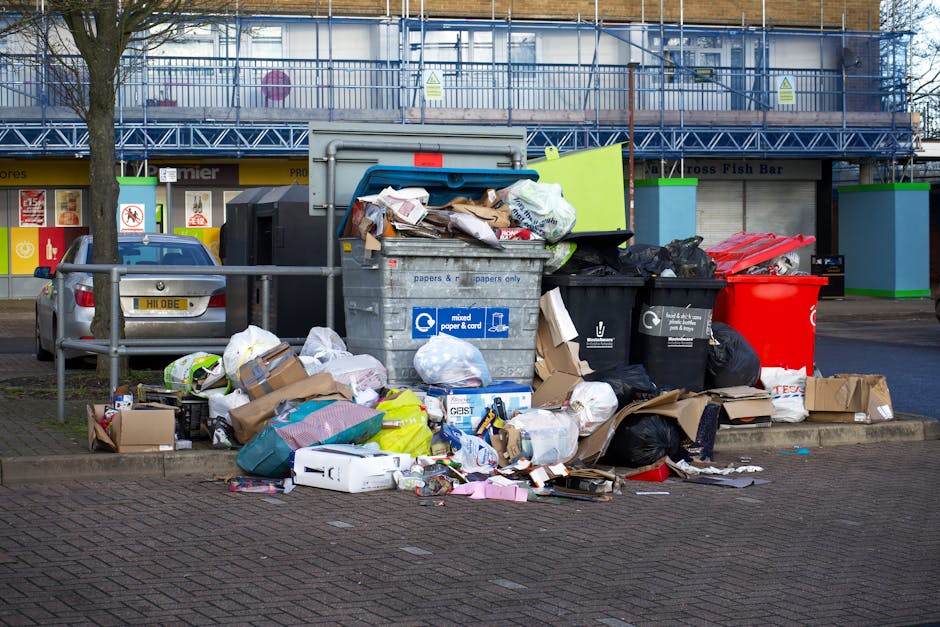
DA8 rubbish collection guide for Riverside flats
If you live in a Riverside flat in DA8, rubbish collection can feel simple one day and oddly complicated the next. One missed collection, one overflowing bin store, one bulky item left by the lift, and suddenly the whole block feels off. This DA8 rubbish collection guide for Riverside flats is here to make the process clearer, calmer, and a lot more manageable.
In practice, the issue is rarely just "where does the bin go?" It is also about shared spaces, access routes, recycling habits, bulky waste, and knowing when a regular collection is enough and when you need a more flexible clearance service. The good news? Once you understand the rhythm of flat living, rubbish handling becomes much easier. Let's walk through it properly.
For residents, landlords, managing agents, and local businesses supporting flats in the area, a clear plan saves time and avoids the usual mess. It also helps keep communal areas tidy, which, to be fair, everyone appreciates when the bin room starts smelling a bit too much like last Tuesday.
Quick practical summary: if you are dealing with everyday household rubbish, use the normal collection route and keep waste sorted. If you have bulky items, post-move clutter, or waste that cannot safely sit in the communal bins, a dedicated service such as flat clearance or waste removal is often the cleaner, faster option.
Table of Contents
- Why DA8 rubbish collection guide for Riverside flats Matters
- How DA8 rubbish collection guide for Riverside flats Works
- Key Benefits and Practical Advantages
- Who This Is For and When It Makes Sense
- Step-by-Step Guidance
- Expert Tips for Better Results
- Common Mistakes to Avoid
- Tools, Resources and Recommendations
- Law, Compliance, Standards, or Best Practice
- Options, Methods, or Comparison Table
- Case Study or Real-World Example
- Practical Checklist
- Conclusion
- Frequently Asked Questions
Why DA8 rubbish collection guide for Riverside flats Matters
Riverside flats in DA8 have a very different waste reality from a house with a private driveway and a garden bin tucked away at the side. Shared access, limited storage, lift use, fire escape rules, and communal bin rooms all affect how rubbish should be handled. That is why a straightforward collection routine matters so much.
When flats rely on shared bin stores, a small mistake can quickly become everybody's problem. A broken wardrobe left beside the bins can block access. Loose bags can split. Recyclables mixed with general waste can lead to collections being refused or delayed. None of this is dramatic on its own, but together it creates the familiar "why is this still here?" headache.
There is also a practical safety side. In apartment buildings, waste should not obstruct corridors, stairwells, or entrance areas. It sounds obvious, but people do leave items in the wrong place when they are in a rush. You see it most often after a move, after a flat clear-out, or when someone has just bought a new sofa and is trying to work out what to do with the old one. That is where a planned approach really pays off.
For landlords and managing agents, tidy rubbish handling protects the building's image and helps reduce complaints. For residents, it cuts stress and keeps shared spaces usable. And for anyone arranging larger disposal jobs, having a local plan reduces the temptation to "sort it out later," which usually means the pile gets bigger, not smaller.
How DA8 rubbish collection guide for Riverside flats Works
At its simplest, rubbish collection for Riverside flats works in layers. Daily and weekly household waste goes into the correct shared bins or designated collection points. Recyclables are separated where the building provides separate containers. Bulky items, refurbishment debris, or accumulated clutter need a different route altogether.
In a well-run block, the process is usually this:
- Residents separate waste into the right streams: general rubbish, recycling, and any special items that need separate handling.
- Waste is taken to the communal bin store or the agreed collection point at the correct time.
- Bin lids close properly, bags do not overflow, and nothing is left loose on the floor.
- Bulky items are removed through an arranged clearance service rather than being left in shared areas.
That sounds tidy on paper, and it can be tidy in real life too. The key is consistency. If everyone in the block treats waste the same way, the whole system works better. If one flat starts using the bin store like a storage cupboard, the whole place feels it.
Sometimes residents ask whether they should use a skip for flat waste. In a Riverside apartment setting, that is not always the best fit because of access, permit considerations, and space constraints. If you are weighing up options, it is worth understanding what is suitable by reading the guidance on what can go in a skip before deciding. For many flats, though, a direct removal service is simpler and less disruptive.
For repeat clearances or resident turnover, services such as flat clearance and even home clearance can be a far better fit than trying to move everything through communal bins. Less back-and-forth, less clutter, less awkward lifting down tight stairwells.
Key Benefits and Practical Advantages
A good rubbish collection approach for Riverside flats does more than keep things neat. It prevents friction between neighbours, protects shared access, and makes everyday living feel more organised. Little things add up.
Some of the main benefits are:
- Cleaner shared spaces: bin stores stay usable, hallways stay clear, and the building feels more looked after.
- Lower risk of complaints: neighbours are less likely to report odours, overflowing bins, or waste left in the wrong place.
- Safer movement: stairs, entrances, and loading areas remain clear for residents, visitors, and emergency access.
- Better recycling habits: separating waste properly helps reduce contamination, which can otherwise lead to collections being rejected.
- Less stress during big changes: if you are moving out, refurbishing, or clearing a room, you have a clear disposal path.
There is also a less obvious benefit: confidence. Once you know what goes where, you stop second-guessing every bin bag. That sounds small, but it makes daily life easier. You do not stand in the kitchen at 9:40 p.m. holding an old kettle and wondering whether tonight is the night you finally sort it.
For bulky household items, a specialist disposal route is usually worth it. Pages like furniture disposal, mattress and sofa disposal, and fridge and appliance removal are especially useful when flat living makes moving large items difficult.
Who This Is For and When It Makes Sense
This guide is for anyone who deals with rubbish in or around Riverside flats in DA8. That includes residents, tenants, leaseholders, landlords, letting agents, building managers, and even tradespeople who need to clear after a small job.
It makes sense in situations like these:
- You are moving in or out and have accumulated a lot of mixed rubbish.
- You have old furniture, bags of clutter, or broken household items that will not fit in communal bins.
- You manage a block and want to keep waste handling clear and predictable.
- You live in a flat with limited storage and no easy way to hold bulky waste safely.
- You need to clear a loft cupboard, a balcony, or a storage unit attached to the flat.
If your situation is more than "a few black bags," the normal bin routine may not be enough. A resident clearing out a bedroom after a long tenancy, for example, might need a broader service. In that case, house clearance can be relevant when the whole property needs attention, while loft clearance is useful where the hidden storage spaces have quietly filled up over years. Happens more often than people admit, honestly.
For businesses operating from flats, or for resident-run offices and workspaces in mixed-use buildings, it may be more appropriate to look at business waste removal or office clearance rather than general household collection. Different waste, different expectations.
Step-by-Step Guidance
If you want a straightforward way to manage rubbish in Riverside flats, use this process. It is practical, not fancy, and that is the point.
1. Separate waste before you carry it out
Sort general rubbish, recyclables, cardboard, food waste, and bulky items before they leave the flat. Once everything is in the hallway, the job gets harder and messier. Keep glass wrapped safely, flatten cardboard, and tie up bags so they do not split on the way down.
2. Check your building's collection rules
Many blocks have specific bin store arrangements or set collection points. Some have time windows for putting waste out. Others ask residents not to leave items in corridors overnight. If you are not sure, ask the managing agent or building team before guessing. Guessing is how bin rooms end up looking like a mini disaster zone by Monday morning.
3. Keep walkways clear
Never block entrances, stairwells, lifts, or fire exits with rubbish. If a bulky item cannot be moved safely without causing an obstruction, arrange removal rather than trying to park it "just for now." That phrase causes trouble everywhere.
4. Move bulky waste out through the right route
For a sofa, mattress, fridge, or broken cabinet, use a planned collection method rather than communal bins. For this kind of item, a targeted service such as furniture clearance can be more efficient and less disruptive to neighbours.
5. Decide whether the waste needs special handling
Not everything can be treated like standard rubbish. Paint, solvents, certain chemicals, and some electrical items need careful handling. If you are unsure, do not mix them into general waste. When there is a risk of contamination or safety issues, hazardous waste disposal is the safer route.
6. Book the right service for the job
If the waste is too much for normal collection, use a service that matches the property type and the volume involved. A small, tidy flat clearance will be different from a post-renovation clear-out, which may edge into builders waste clearance if rubble, plasterboard, or mixed site debris is involved.
7. Confirm access before collection day
Think about parking, lift access, narrow corridors, concierge arrangements, and delivery bays. A five-minute check beforehand can save a lot of awkwardness later. Truth be told, access issues are one of the most common reasons a collection runs less smoothly than expected.
Expert Tips for Better Results
Good waste handling in flats is less about force and more about preparation. A few small habits make a big difference.
- Use sturdy bags: thin bags split in stairwells, and nobody enjoys mopping up after that.
- Break down cardboard early: it saves space in the bin store and keeps recycling easier.
- Label awkward items: if an item is meant for collection, a simple note can stop it being mistaken for shared property.
- Plan around collection days: if you know waste goes out on specific days, avoid creating a last-minute pile on the floor.
- Keep a small "donation or disposal" zone: one bag for rubbish, one box for recycling, one pile for items to be cleared. Sounds almost too neat, but it works.
If you are dealing with a room full of mixed belongings, a little sorting at the start can save a lot of time later. We have seen flats where one corner holds books, another has old chargers, and a chair is balanced on top of a stack of boxes like a tired piece of modern art. It only looks manageable until collection day.
For items that are clean, usable, or simply too large for normal bins, it can help to separate what is being reused from what is being removed. Services such as furniture clearance and furniture disposal are best chosen based on item condition and how quickly the space needs to be cleared.
Common Mistakes to Avoid
A lot of rubbish problems in flats are not really waste problems. They are planning problems in disguise.
- Leaving bags in corridors: this is the quickest way to create safety issues and complaints.
- Mixing recyclables with general waste: it reduces recycling quality and can create extra mess.
- Assuming bulky items can go in the bin store: if it does not fit easily, it probably should not go there.
- Ignoring access restrictions: lifts, parking, and loading areas matter more than people expect.
- Waiting until the pile gets huge: small clearance jobs are easier to deal with than an all-at-once panic.
- Throwing unknown items into standard waste: when in doubt, check whether it needs a separate disposal route.
One common trap is the "I'll leave it near the bins and sort it later" approach. Later often becomes never. Then someone else has to deal with it, which is exactly how resentment starts in shared buildings. Not ideal.
Tools, Resources and Recommendations
You do not need a lot of equipment, but the right basics help. A few decent bin liners, a marker pen, some reusable boxes, and a roll of tape can make sorting and staging waste much easier. For bigger jobs, a trolley or sack truck is useful if your building allows it.
When choosing a disposal method, these pages can help you narrow down the right service:
- recycling and sustainability for better sorting habits and lower waste impact.
- pricing and quotes if you want to compare options before booking.
- book online when you already know the job is ready to go.
- payment and security if you want reassurance about the booking side of things.
If you handle documents alongside physical rubbish, do not just shred or bin them casually. Sensitive papers should be treated separately. A confidential disposal route makes sense for things like old tenancy paperwork, tenancy admin, or business files, and confidential shredding is the kind of service that helps keep that side tidy too.
For residents who want to understand the company behind the service before booking, about us and insurance and safety are sensible reads. They help build confidence, which matters when someone is handling waste inside a busy residential building.
Law, Compliance, Standards, or Best Practice
Waste in flats is not just about convenience. In the UK, residents and property managers should follow sensible waste handling practices that keep shared areas safe, avoid contamination, and reduce the chance of fly-tipping or nuisance. You do not need to overcomplicate it, but you do need to be careful.
Best practice usually means:
- placing waste only in approved collection areas;
- keeping communal routes clear;
- separating recyclable and non-recyclable materials where provided;
- handling electricals and bulky waste separately when needed;
- avoiding unsafe storage of waste indoors or in escape routes;
- using licensed, reputable disposal routes for collected waste.
For flats, the practical rule is simple: if it could block access, create a smell, attract pests, or cause a fire or safety concern, it should be removed properly and promptly. That is the standard most sensible buildings try to maintain, whether the paperwork is visible or not.
If a waste load includes renovation debris, the situation becomes more specific. Items such as plasterboard, broken fixtures, and mixed construction waste may fall under a different handling approach. In those cases, builders waste clearance may be more suitable than ordinary rubbish collection. Better to match the service to the waste than force it into the wrong system.
Options, Methods, or Comparison Table
Choosing the right rubbish collection method for Riverside flats depends on the type of waste, the size of the job, and how quickly you need the space back. Here is a simple comparison.
| Method | Best for | Pros | Watch out for |
|---|---|---|---|
| Communal bin collection | Everyday household rubbish and recycling | Easy, routine, familiar | Not suitable for bulky items or overflow |
| Flat clearance | Mixed flat contents, end-of-tenancy clear-outs, cluttered rooms | Flexible and efficient for larger jobs | Needs access planning and item sorting |
| Furniture disposal | Sofas, beds, tables, wardrobes | Removes awkward heavy items cleanly | May require clear access and item list |
| Fridge and appliance removal | White goods and electrical appliances | Safer than trying to move them yourself | Do not mix with general waste |
| Waste removal | Mixed non-hazardous waste where bins are not enough | Adaptable for different waste types | Check what can be accepted before booking |
Most flat residents end up using a mix of methods over time. That is normal. A small bag of recycling today, a mattress next month, a cupboard full of odds and ends later on. Life in flats tends to be modular like that.
Case Study or Real-World Example
Imagine a Riverside resident in DA8 who has just finished a tenancy and needs to clear a one-bedroom flat before handover. The routine waste is easy enough: kitchen packaging, bathroom rubbish, and a few broken bits go out with the normal bins. But then come the extra items. A mattress, a heavy sideboard, a bag of mixed cables, and an old fridge that absolutely cannot be abandoned beside the bin store.
If the resident tries to handle everything through communal collections, the block starts to feel cramped fast. Neighbours notice the mattress in the corridor. Someone complains about access. The fridge becomes an awkward obstacle in a shared area. Not a great last impression.
A better approach is simple: routine waste stays separate, bulky items are grouped for removal, and a dedicated service handles the rest. In that situation, mattress and sofa disposal and fridge and appliance removal solve the awkward pieces quickly, while a broader flat clearance handles the mixed remainder.
The result is cleaner, faster, and far less stressful. The resident hands back the keys without doing three late-night trips down the stairs with a bin bag in each hand. Which, let's face it, nobody really wants.
Practical Checklist
Use this checklist before you arrange rubbish collection for a Riverside flat.
- Have you separated general waste, recycling, and bulky items?
- Do you know where the communal bins or collection point are?
- Have you checked building rules on timing, access, and storage?
- Are any items too large, too heavy, or too awkward for the bin store?
- Could any item be hazardous, electrical, or otherwise special waste?
- Have you planned how to move items safely through corridors and lifts?
- Do you know whether a simple bin collection, flat clearance, or specialist removal is best?
- Have you removed loose rubbish from shared areas before collection day?
- Have you arranged parking or access if a team needs to attend?
- Have you checked whether sensitive paperwork needs confidential disposal?
If you can tick most of those off, you are in good shape. If not, pause and sort the grey areas first. It saves hassle later. Usually a lot of hassle.
Conclusion
The simplest way to think about DA8 rubbish collection guide for Riverside flats is this: everyday waste should stay routine, but anything bulky, awkward, unsafe, or excessive needs its own plan. That one mindset prevents most problems before they start.
When residents sort waste properly, keep shared areas clear, and choose the right disposal route, flat living becomes smoother for everyone in the building. It is not glamorous work, but it matters. A tidy bin store, a clear corridor, and one less abandoned chair by the lift can make a surprisingly big difference to how a place feels.
If you are dealing with more than standard household rubbish, take the time to match the waste to the right service. That is the difference between a quick fix and a recurring headache.
Get a free quote today and see how much you can save.
And if you are in the middle of a flat clear-out right now, take it one bag at a time. It really is enough.
Frequently Asked Questions
What is the best way to manage rubbish in Riverside flats?
The best approach is to separate everyday household waste from bulky items, use the communal bins correctly, and arrange a dedicated clearance service when the rubbish goes beyond normal collections.
Can I leave rubbish beside the bin store if it does not fit?
No, not unless the building specifically allows it. Leaving waste beside communal bins can block access, create complaints, and cause safety issues. If it does not fit, it usually needs a different removal route.
What should I do with a broken sofa or mattress in a flat?
Use a specialist bulky-item service rather than trying to force it into shared bins. Services like sofa and mattress disposal are far more suitable for large furniture in apartment buildings.
Is flat clearance the same as rubbish collection?
Not quite. Rubbish collection usually covers routine waste, while flat clearance is better for larger clear-outs, end-of-tenancy jobs, or mixed items that need to be removed together.
What if my waste includes a fridge or other appliance?
Appliances should be handled separately because they are awkward, heavy, and often not suitable for general rubbish streams. Fridge and appliance removal is the safer and cleaner option.
How do I know if waste is hazardous?
If it includes chemicals, solvents, paint, or anything that could be dangerous to handle or dispose of incorrectly, treat it cautiously and use a suitable hazardous waste route rather than general waste.
Do I need to sort recycling differently in flats?
Yes, if your building provides separate recycling facilities. Keeping cardboard, cans, plastics, and general rubbish apart helps prevent contamination and makes collections more reliable.
What happens if a bulky item blocks the corridor?
That should be avoided entirely. Corridors and escape routes need to stay clear. If something is too large to move safely, arrange removal as soon as possible.
Can I use a skip for flat rubbish in DA8?
Sometimes, but not always. Access, placement, and the type of waste all matter. For many flats, a direct waste removal or clearance service is easier than using a skip.
When should I book a clearance rather than waiting for normal collection day?
Book a clearance when the waste is bulky, urgent, mixed, or too large for communal bins. If you are moving out, refurbishing, or clearing storage spaces, waiting usually just makes the job bigger.
What is the most common mistake people make with flat waste?
The biggest mistake is leaving rubbish in shared spaces and assuming it will be dealt with later. In a block, later often becomes everyone's problem, so it is much better to act early.
Where can I find more information about disposal options?
It helps to review the relevant service pages for flat clearance, waste removal, recycling and sustainability, and pricing and quotes so you can choose the most practical route for your situation.