Commercial Waste Erith: Recycling and Sustainability
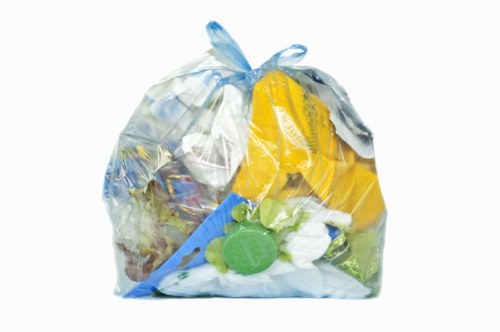 In the heart of the borough, Commercial Waste Erith is committed to creating a measurable shift toward an eco-friendly waste disposal area and a genuinely sustainable rubbish area. Our approach recognises that businesses, property managers and industrial sites all contribute to the local waste stream and therefore have a shared responsibility to reduce landfill, increase reuse and prioritise recycling. By aligning operations with borough-level waste separation schemes and best practice, Erith's commercial waste services help keep recyclable materials in circulation rather than turning them into waste.
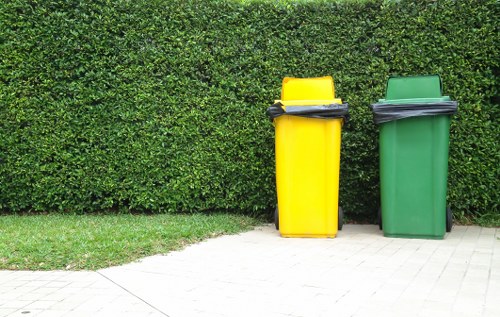
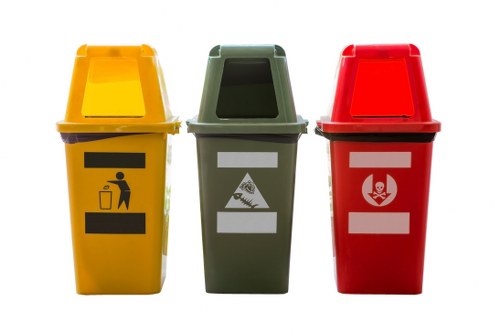
Local coordination with the London Borough of Bexley and neighbouring boroughs supports improved segregation at source: clear bins for dry recyclables (paper, cardboard, metal, and plastics), separate glass collection and dedicated food waste streams for suitable businesses. This boroughs approach to waste separation means that many businesses in Erith already sort organics and dry recyclables, reducing contamination and improving recovery rates for materials such as glass, WEEE (electrical goods), textiles and construction waste.
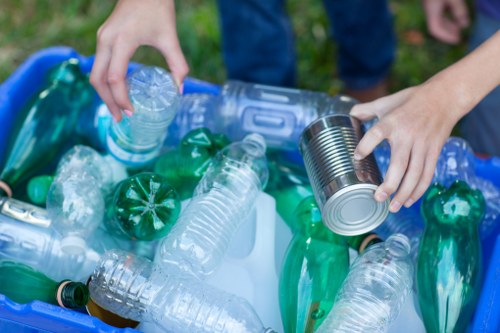 To track progress we have set a definitive recycling percentage target: a firm ambition to achieve a 65% recycling rate for commercial collections by 2030, rising to 75% by 2035 through incremental improvements. These targets are realistic but challenging — they rely on effective segregation, regular audits, and progressive partnerships across the supply chain. Commercial waste Erith providers monitor loads at transfer stations, measure contamination levels, and publish internal performance reviews so every workplace knows how it contributes to the overall target.
Local Transfer Stations, Sorting Hubs and Practical Recycling Activity
Commercial waste operations in Erith make routine use of nearby transfer stations and sorting hubs to consolidate collections and maximise material recovery. Many local businesses benefit from rapid access to municipal and private transfer sites in Bexley and adjoining boroughs, where mixed loads are separated, baled and forwarded to specialist reprocessors. A more localised transfer approach reduces double handling and shortens haul distances, improving both cost-efficiency and carbon performance.
 Practical recycling activities common to the area include:
- Source-separated food waste collections for eligible cafes and restaurants;
- Dry mixed recycling (paper, cardboard, rigid plastics and cans) with contamination reduction drives;
- Glass-only rounds and combined glass/drop-off options for premises generating significant quantities;
- Dedicated bulky waste and furniture reuse streams for redistribution through charities;
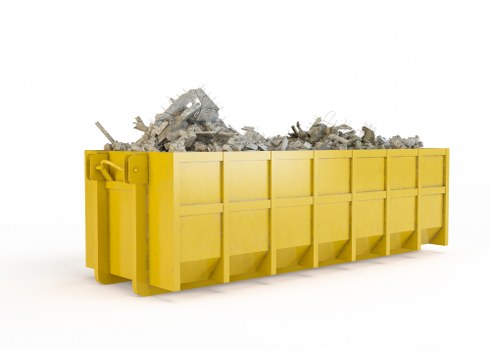
- Construction, demolition and excavation (CDE) segregation for inert and recyclable materials.
Local transfer stations act as critical nodes where material quality is inspected. Businesses are encouraged to participate in periodic quality audits and to adopt simple separation policies that make recycling automatic rather than optional. When commercial premises follow the boroughs approach to waste separation, material values are preserved and reprocessors can accept higher volumes, which supports the recycling percentage target outlined above.
Partnerships, Charities and the Low-Carbon Fleet
Partnerships with charities form a key pillar of our sustainability strategy. We collaborate with local and national organisations to ensure reusable items — furniture, kitchen equipment, clothing and surplus stock — are diverted from the waste stream and given a second life. Examples include working with community re-use centres and accredited charities to manage collections and facilitate redistributions. These alliances reduce waste disposal volumes and help deliver social value across Erith’s neighbourhoods.
 A core operational change is the decarbonisation of collection fleets. Commercial rubbish Erith operations increasingly deploy low-carbon vans and electric vehicles for short runs, mixed with hybrid heavy-duty vehicles on longer routes. Route optimisation software, load consolidation and off-peak scheduling reduce mileage and idling time, further lowering emissions. We also maintain a programme of vehicle replacement and charging infrastructure rollout to ensure our fleet aligns with wider London low-emission ambitions.
 Sustainability is embedded across processes: from waste-prevention initiatives and on-site segregation training to procurement practices that favour recycled-content materials. Businesses can expect transparent reporting on diversion rates and carbon reductions, and where appropriate we facilitate charity pick-ups, community reuse events, and targeted campaigns focused on food waste reduction. By combining local transfer stations, charity partnerships, and a low-carbon collection fleet, the vision for a resilient commercial waste Erith system becomes practical and verifiable.
In summary, achieving a thriving eco-friendly waste disposal area and a respected sustainable rubbish area in Erith depends on collaboration between commercial operators, transfer hubs, charities and fleet providers. With clear recycling percentage targets, improved waste separation consistent with the boroughs approach, and investments in low-carbon vans, Erith can build a circular local economy where resources are reused, recycled and valued rather than discarded.
Businesses choosing to engage with this model support community re-use projects, reduce disposal costs over time and contribute measurable reductions in local carbon emissions. Concrete milestones — such as the 65% recycling rate by 2030 — make progress visible and actionable, while ongoing partnerships with charities ensure that reusable goods create social as well as environmental benefit.
Commercial Waste in Erith is more than a service: it is a shared commitment to cleaner streets, healthier neighbourhoods and a lower-carbon future. Together, local enterprises and service providers can transform the commercial waste landscape into a genuinely sustainable system that meets both regulatory expectations and community aspirations.
