Complaints Procedure for Commercial Waste Erith
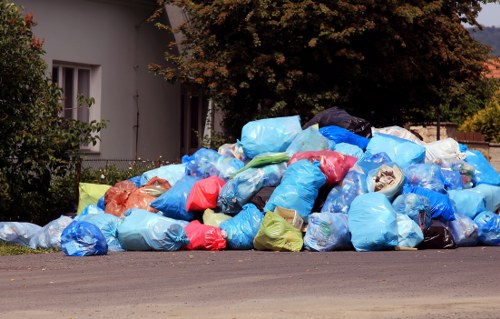 This Complaints Procedure for Commercial Waste Erith explains how businesses and organisations can raise concerns about commercial waste collection, disposal and related services. The aim is to set out a clear, fair and timely process so that issues are resolved efficiently. It applies to all aspects of commercial rubbish collection in the service area, including missed collections, container damage, billing disputes and service standards. The procedure emphasises transparency, escalation and independent review where required.
Our approach to handling a complaint is to be responsive, impartial and documented. When a problem is reported, we record the details, assign a case reference and begin an initial assessment within a stated timeframe. The policy covers complaints about waste transfer, recycling, hazardous waste handling, and any failure to meet the terms of a commercial waste agreement. This procedure can be used by small and large businesses, property managers and commercial tenants who use commercial waste services in the region.
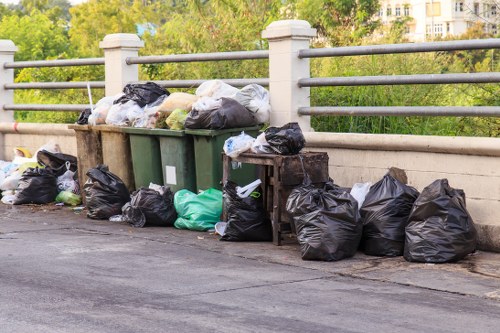 What constitutes a complaint is deliberately broad to capture service deficiencies and administrative errors. Examples include:
- Missed pickup or inconsistent collection of commercial refuse
- Damaged or missing communal bins or skips
- Incorrect invoicing or disputed charges for commercial rubbish services
- Health, safety or environmental concerns related to waste handling
How to submit a complaint
Complaints should include key information so they can be investigated effectively: the business name, account reference (if available), location, date and time of the incident, and a concise description of the issue. Please cite any supporting evidence such as photographs or related paperwork. While this page does not list contact details, the expectation is that complaints will be submitted to the waste provider through the official channels already provided to customers at onboarding or in contractual documents.
On receipt, every complaint is acknowledged and logged. The acknowledgement will confirm the complaint reference and the expected timeframe for an initial response. The initial assessment aims to identify whether the complaint can be resolved immediately, requires an operational remedy (for example, rescheduling a collection), or needs investigation involving multiple teams including operations, billing and compliance.
 Where a complaint requires a full investigation, we will appoint a case handler who will conduct a structured review: gather facts, interview staff involved, inspect service records and, where necessary, carry out site visits. The case handler will document findings and recommend remedial actions. Throughout the process, complainants are kept informed of progress and anticipated resolution dates. The expectation is to resolve most issues at the frontline, but some cases may take longer due to complexity or third-party involvement.
Resolution stages and timescales
Stage 1: Frontline resolution. If the complaint can be resolved quickly, operational staff will aim to deliver a remedy within a short, defined period. This may include arranging a prompt collection, replacing damaged containers or correcting an invoicing error. The goal at this stage is a swift and satisfactory outcome without the need for formal escalation.
Stage 2: Formal investigation. If the issue cannot be resolved at the frontline, it moves to a formal investigation where a comprehensive review is performed. Outcomes at this stage may include service credits, corrective service action, staff retraining and updated procedures. Complainants will receive a written response summarising the investigation, findings and any remedies offered.
Stage 3: Independent review and escalation. If a complainant remains dissatisfied after the formal investigation, an independent review or arbitration route may be offered, in line with contractual terms and relevant regulatory frameworks for commercial waste. This final stage is intended to provide impartial assessment and to recommend final actions where appropriate.
Throughout the complaints lifecycle we apply quality controls to monitor performance and improve service delivery. Complaint trends are analysed to identify systemic issues such as recurring missed collections, route planning inefficiencies, or billing discrepancies. Findings inform continuous improvement measures, operational changes and policy updates to reduce recurrence of similar problems across the commercial waste service area.
 Record keeping and confidentiality are central to the complaints procedure. All case records are retained according to corporate retention policies and legal requirements for commercial waste management. Personal data and commercially sensitive information are handled in accordance with applicable data protection practices; information is shared only on a need-to-know basis for investigation and resolution.
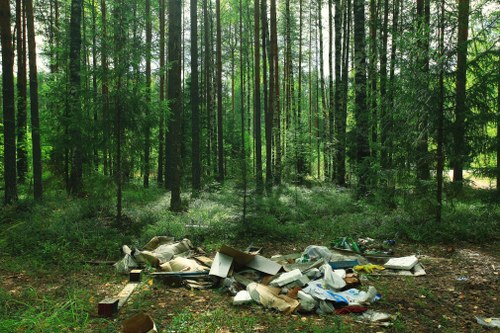 If a complaint involves health, safety or environmental risk, immediate action is prioritised to mitigate harm, protect public and worker safety and prevent contamination. Such incidents may trigger an urgent operational response and notification to relevant regulators, depending on contractual and legal obligations. Remedial measures will be implemented swiftly and documented as part of the complaint outcome.
Monitoring performance - our complaint handling is subject to internal audits and periodic review. Key performance indicators include response times, resolution rates and recurrence metrics for commercial refuse services. We use these metrics to drive operational excellence and to ensure that corrective actions are effective.
Appeals and further options - if a complainant is unhappy with the outcome, there are clear escalation channels within the organisation and contractual dispute mechanisms that can be invoked. Appeals are reviewed by senior management and, where appropriate, external mediation can be considered in accordance with agreed service terms.
Continuous improvement - lessons learned from complaints feed back into staff training programmes, route management, customer communications and contractual reviews. The ultimate objective is to maintain a reliable, compliant and customer-focused commercial waste service that minimises disruption and supports client operations.
