Commercial Waste in Erith for offices, shops and other business premises
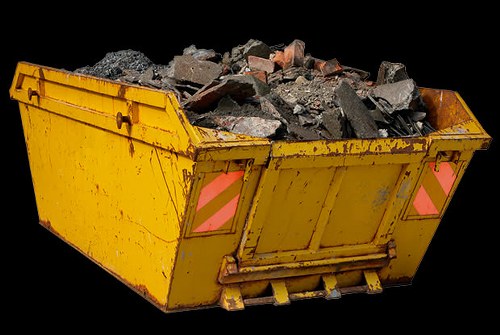
Commercial waste in Erith needs a practical service that keeps business premises clear, compliant and organised. We collect mixed business waste, office materials, bulky items and recyclable streams from premises that need a regular or one-off removal. The aim is straightforward: take away unwanted commercial waste efficiently, separate what can be recovered where possible, and help businesses keep day-to-day operations moving without clutter building up around workspaces, stores or storage areas.
Our service is suited to a range of commercial settings, including offices, retail units, hospitality premises, workshops and shared business spaces. We can deal with general rubbish, obsolete fixtures, packaging, paper waste, broken furniture and other non-hazardous items that arise from routine operations or a clear-out. For businesses that want a focused arrangement, the work can be planned around specific access points, loading needs and collection times so the removal is orderly and predictable rather than disruptive.
To request a quotation, send the key details about the waste you need removed and the kind of premises involved. A short description is often enough to begin, and if you already know the volume or access situation, that helps shape the next step. If you are comparing services, you can ask for a quote once you are ready and use the information below to see which parts of the service fit your site.
Business waste collections planned around your premises

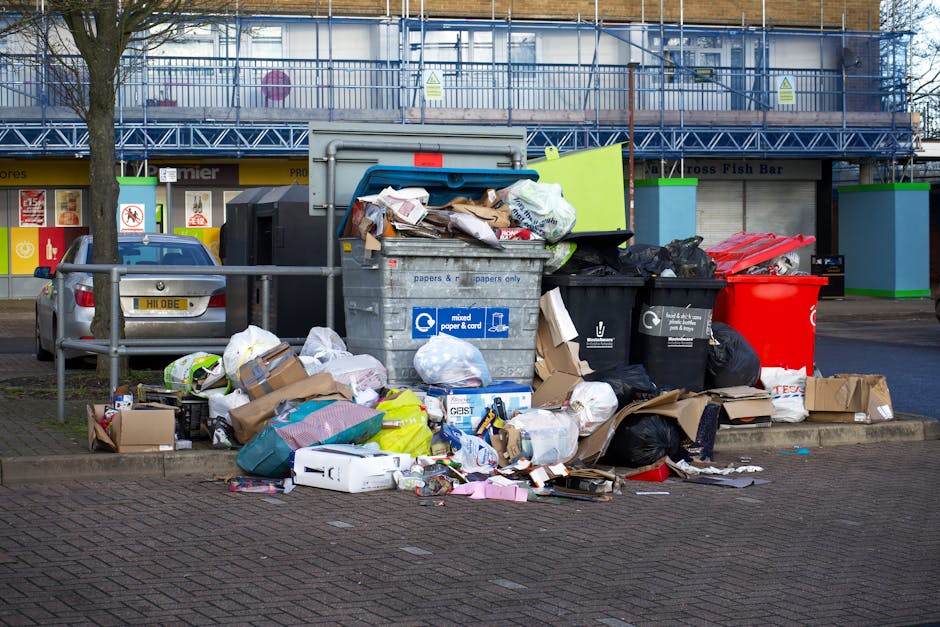
Commercial waste often builds up in ways that are different from household rubbish. Office refits, stock changes, daily packaging, old shelving and back-of-house clear-outs all produce mixed materials that need sorting before removal. We handle those practical collection jobs with a focus on safe lifting, suitable transport and sensible separation of items that may be recyclable. Where waste is already bagged or boxed, that can speed up the work, but loose items can also be managed when access allows.
Different types of business premises need different handling. A retail unit may need a straightforward loading visit, while a multi-room office might require removal from several floors or areas. We can work with waste that has accumulated gradually, as well as items being cleared after a move, reorganisation or closure of a storage area. If you need to compare service options first, review the sections below and then decide what is most suitable for your site.
Typical commercial waste types
The service can cover varied non-hazardous business waste, including packed rubbish, cartons, unwanted displays, damaged desks, chairs, shelving, archives for disposal, and other items that no longer have a useful role in the premises. In many cases, the value lies in taking away several waste streams together so that staff do not have to sort and move everything twice. We can also separate obvious recycling material from general waste when that is practical and helpful for the collection.
Office clearance and working-space tidy outs
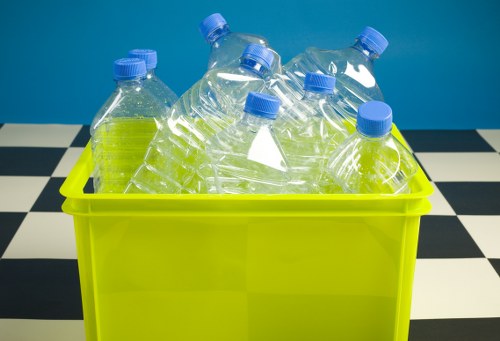
Office waste removal usually involves a mixture of furniture, paperwork, equipment casings and everyday rubbish that has built up around workstations, storage rooms or communal areas. We can remove redundant desks, chairs, cabinets, pedestals, screens, boxes and similar items that are no longer needed. The work is arranged so that usable office space can be handed back into productive use without staff having to manage the heavier lifting themselves.
For larger office clearances, the important decisions are often about access, sequencing and what should be removed first. A sensible plan helps avoid unnecessary disturbance in shared buildings or active workplaces. If you are preparing an enquiry, it helps to note the types of items, whether they are on one floor or several, and whether there are loading restrictions. Simple details like this allow the collection to be planned in a way that suits the premises rather than forcing the premises to fit the collection.
What office customers often need removed
Common office items include filing units, broken chairs, monitor stands, keyboards, packaging from new equipment, non-sensitive paper waste and general clear-out material from cupboards or store rooms. Where confidential documents are involved, they should be handled separately from ordinary paper waste and directed into an appropriate shredding process. The main advantage of a structured office clearance is that several separate disposal tasks can be handled together, which is often easier for facilities teams and managers than arranging multiple small removals.
Furniture disposal for commercial and mixed-use properties
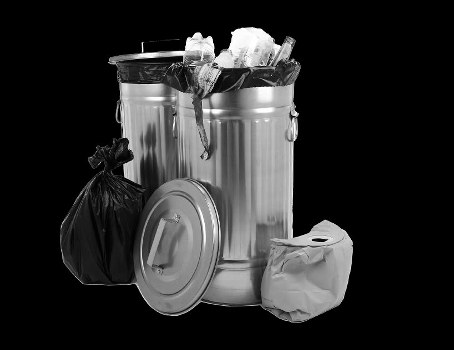
Furniture disposal is often a key part of a commercial waste collection because desks, chairs, tables, cabinets and display units can take up a great deal of floor space. We remove individual pieces and grouped furniture from business premises, helping clear areas that are being refitted, emptied or reorganised. Where items are still in usable condition, they may be separated from damaged pieces so that the disposal method matches the material and condition of each load.
Many businesses need furniture taken away during moves, refurbishments or routine replacements. The collection can include flat-pack remnants, worn reception furniture, shelving, meeting-room tables and other bulky items that are awkward to move without the right vehicle and lifting approach. If you are planning a larger clear-out, it can be useful to make a simple list of furniture categories rather than itemising every single piece; that gives enough structure for a quotation while staying practical for busy teams. Clear, focused information usually makes the whole process smoother.
Bulky items, recyclable materials and site conditions
Different furniture materials can affect handling. Timber, metal, plastics and upholstered items are often dealt with differently during sorting and loading, and the condition of the item can influence how it is moved through narrow corridors or tight storage rooms. When access is limited, it is helpful to note steps, lifts, basement rooms or shared entrances in advance. The collection is then shaped around the actual site layout rather than around a generic assumption about how every business premises works.
Appliance and equipment removal for business sites
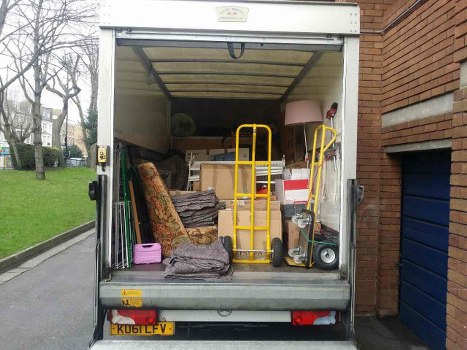
Commercial premises sometimes need old appliances or equipment removed alongside general waste, especially when staff areas, kitchens, stock rooms or utility spaces are being refreshed. Our waste removal service can cover items such as fridges, small appliances and other non-hazardous equipment that are no longer needed. This kind of clearance is useful when a business wants one practical collection rather than trying to separate every bulky item into a different arrangement.
Appliances can be awkward because of their weight, shape and the space they require in corridors, lifts and loading areas. A sensible approach is to identify the items that need to go, note whether they are freestanding or built in, and mention any constraints before the collection is arranged. That makes it easier to plan the removal method and avoid delays on the day. If you are ready to move forward, request a quotation with the appliance list and your preferred collection details.
Where a collection includes a mixture of equipment and ordinary waste, the load can often be planned in one visit if access and volume are suitable. That avoids the need for separate removals for each type of item. It also gives businesses a clearer way to deal with old stock-room units, kitchen items and end-of-life equipment when they are replacing or reorganising a work area.
Garage and storage clearances for trade and commercial use
Garages, back rooms, lock-ups and storage areas often become the places where broken fittings, surplus stock and unused materials gather over time. Commercial waste collections can include these spaces when they belong to business premises or are used to store trade items. The work may involve stacked boxes, mixed rubbish, redundant tools or old fixtures that need to be taken away without disrupting the rest of the site.
Storage clearances are usually easier when the items can be grouped in advance, but a collection can still be organised when the space is cluttered and the contents are mixed. The main thing is to describe what is there and whether anything is especially awkward to move. Businesses that want to keep the process straightforward can use a few broad categories rather than over-explaining every object. If you would like to progress the job, send the essentials first and build the quotation from there.
Because storage areas often contain a blend of materials, it is useful to think in terms of what should be kept, what should be recycled if possible and what is simply ready for disposal. That approach helps prevent useful items being mixed into waste streams by mistake and keeps the clear-out more orderly from start to finish.
Recycling, sorting and responsible handling
A commercial waste collection is not only about removing items from a property; it also involves deciding how different materials should be separated once they have been loaded. Paper, cardboard, metals, hard plastics, timber and general rubbish are not all handled in the same way, so the value of a careful service is in making those distinctions where practical. That is particularly helpful for businesses trying to reduce unnecessary disposal of recyclable materials.
We can discuss whether your load is mainly general waste, mainly recyclable material or a combination of both. For many customers, the important point is to keep the process manageable without losing sight of separation. If you have mixed waste from an office, retail unit or storage area, a clear description of the contents helps the collection plan account for different material types before the vehicle arrives. That planning matters because it keeps the service focused on the real waste stream, not just on the visible clutter.
Materials that often need separating
Common examples include cardboard packaging, paper files, old promotional material, light metal fixtures, timber offcuts, plastic containers and general rubbish from bins or clear-out bags. Some premises produce waste in a very regular pattern, while others have a one-off backlog after a move or refurbishment. In either case, sensible sorting can support a more efficient collection and reduce the amount of mixed material that needs to be handled as undifferentiated waste.
Planning a commercial collection without unnecessary disruption
For a business, the best waste collection is usually the one that fits naturally into the working day. That means considering access routes, loading space, building rules and the size of the waste area before the visit is arranged. A collection for a shop or office may need to avoid the busiest times, while a warehouse or workshop might require a different approach again. The most useful information is often the most practical: what needs removing, where it is stored and how it can be reached.
If the waste is spread across multiple rooms or floors, a concise outline can save time later. The same is true if there are shared entrances, restricted loading bays, service lifts or other conditions that affect how items leave the building. You do not need to overstate the problem; it is enough to identify the main access points and any obvious restrictions. Once that is clear, the collection can be set up in a way that respects the building and the people using it. Good preparation is mostly about clarity rather than formality.
Before you ask for a quote, it can help to group similar items together, decide which materials are definitely going and note anything especially heavy or awkward. That gives a sharper picture of the work and helps avoid confusion on the day. For many businesses, the decision comes down to whether the waste is a small tidy-up or a larger one-off clearance. Either way, a tidy description leads to a more useful quotation.
About Erith
Erith is a town in the London Borough of Bexley, on the south bank of the River Thames in south-east London. Its riverside position has long shaped its identity, with the Thames forming a defining edge and the nearby marshes giving the area an open character unusual within the capital. Erith developed as a historic settlement and later became known for industry and riverside commerce, with the growth of docks, wharves and related transport links influencing the town’s physical form. Over time, parts of the older street pattern have sat alongside later redevelopment, producing a mix of historic and modern townscape. The name is often associated with the riverside itself, where the broad estuary views and changing light are part of the local atmosphere. The town centre includes retail and civic functions, while nearby residential areas extend inland from the river. Erith also has strong connections to neighbouring parts of Bexley and the wider Thames corridor, and the landscape reflects that transition between urban streets, river frontage and open marshland. For many visitors, one of the most recognisable features is the sense of space along the waterfront, where the river, paths and open horizons give the area a distinctive character. The town therefore combines practical urban life with a setting that remains closely tied to the Thames and its long history of movement, trade and settlement.
Business waste support for regular and one-off requirements
Some businesses need a single collection to clear out unwanted items, while others want a repeat arrangement for the waste that appears as part of normal operations. Commercial waste can include packaging, broken fixtures, old stock, unused furniture and general rubbish from day-to-day activity. The service can be shaped around that pattern, whether the need is a one-off clear-out after a move or a practical removal tied to routine changes on site.
Where waste is produced regularly, the main benefit is predictability. A business can keep storage areas from becoming overcrowded and maintain a tidier working environment without creating extra work for staff. Where the need is occasional, the priority is often flexibility: removing a mixed load in a way that fits the amount of waste actually present rather than forcing it into a rigid arrangement. If you are considering the next step, get a quotation when you are ready and use the guidance above to describe the work clearly.
This is also the point where many customers decide whether they need general waste removal, furniture disposal, office clearance or a combined approach. A combined collection can be sensible when several categories are ready at once, because it reduces duplication and keeps the process simpler. The right choice depends on the contents, access and the scale of the work, not on a one-size-fits-all rule.
What to include when you request a quotation
A useful quotation starts with a straightforward description of the waste and the place where it is held. Mention the main item types, whether they are bagged, boxed or loose, and whether there are stairs, lifts or loading restrictions. If you know the approximate volume, that is helpful too, but you do not need to provide a perfect inventory before speaking to us. The aim is to give enough detail for a sensible estimate and a suitable collection plan.
You can also mention whether the work is linked to an office move, a shop refit, a stockroom tidy-up or the removal of old furniture and equipment. Those details help distinguish a general rubbish collection from a more structured clearance. If the site has time constraints or shared access arrangements, include those as well so the service can be matched to the building. The more clearly the work is described, the easier it is to put together an accurate response without unnecessary back-and-forth.
For businesses that want a direct route to action, the best next step is simple: note the items, check the access and send the request. Whether your waste is a few bulky pieces or a fuller mixed load, the service can be arranged around what is actually there rather than around assumptions. That keeps the process practical, efficient and suited to the way commercial premises really work.