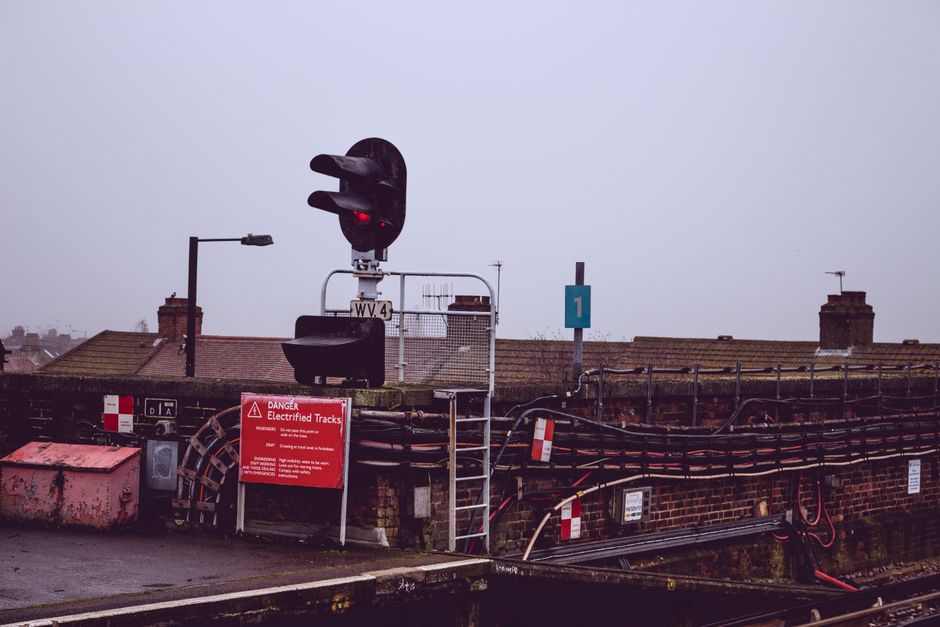
What to know about rubbish clearance near Erith Railway Station
If you are sorting out unwanted items near Erith Railway Station, you will quickly notice that rubbish clearance is never quite as simple as "just take it away." There are parking limits, busy streets, time pressure, awkward stairwells, and the usual mix of bulky furniture, bagged waste, and items that need a bit more care. What to know about rubbish clearance near Erith Railway Station is mostly about planning well, choosing the right clearance method, and making sure the waste is handled properly. Get that right, and the whole job becomes calmer, faster, and far less stressful.
Whether you are clearing a flat, emptying a garage, dealing with builders' debris, or just trying to reclaim space before the week gets away from you, the same rules apply: know what needs removing, check access, understand disposal expectations, and choose a service that fits the job rather than forcing the job to fit the service. Truth be told, that one decision saves most of the headache.
This guide breaks the topic down in plain English, with practical tips for local residents, landlords, tenants, and businesses around the station area. It also covers common mistakes, compliance basics, and how to decide whether a full clearance, specialist disposal, or a more general waste removal service is the better fit.
- Quick answer: rubbish clearance near Erith Railway Station works best when waste is sorted, access is planned, and the provider can remove, load, and dispose of items responsibly in one visit.
- Best next step: compare the type of rubbish, the access route, and the disposal method before booking.
Table of Contents
- Why rubbish clearance near Erith Railway Station matters
- How the service works
- Key benefits and practical advantages
- Who this is for and when it makes sense
- Step-by-step guidance
- Expert tips for better results
- Common mistakes to avoid
- Tools, resources and recommendations
- Law, compliance, standards, or best practice
- Options, methods, or comparison table
- Case study or real-world example
- Practical checklist
- Conclusion
- Frequently asked questions
Why rubbish clearance near Erith Railway Station matters
The station area is the kind of place where waste problems can snowball quickly. One week it is a few boxes and a broken chair; the next, there is a hallway that barely fits a pram, let alone a route for carrying items down. Around transport hubs, the real challenge is not only the rubbish itself but the practical environment around it: traffic, pedestrians, short stopping times, and the need to work tidily and efficiently.
That matters for households, but it matters just as much for local businesses. A cluttered stock room, an office full of redundant equipment, or builders' waste sitting too long near an entrance can affect safety, customer experience, and day-to-day operations. If you have ever tried to shift a mattress at 8am while dodging commuters and delivery vans, you already know the point.
There is also the compliance angle. Waste should be dealt with through proper channels, and that is not just a nice-to-have. Responsible clearance reduces the chance of fly-tipping, missed collections, damaged communal areas, and awkward questions later if something was disposed of badly. In a busy local area, those risks tend to show up fast.
For many people, rubbish clearance is really about getting normal life back. A room starts functioning again. A business back office becomes usable. A rental property can be presented properly. It sounds simple, but the impact is bigger than it looks.
How rubbish clearance near Erith Railway Station works
Most clearance jobs follow the same basic pattern, although the exact process depends on what you need removed and how accessible the property is. A good provider will usually start by understanding the type and volume of waste, the location, and whether any items need special handling. From there, they can estimate labour, vehicle space, and disposal requirements.
Near the station, access planning matters more than people expect. Is there a basement flat? A narrow stairwell? Shared entry doors? Loading restrictions? Even a straightforward job can slow down if crews have to carry items a long way or wait for a safe place to park. That is why a few clear photos often help more than a long explanation. You can save everyone a second visit.
In practical terms, clearance may involve:
- single-item collection, such as a sofa, fridge, or mattress
- partial property clearance, such as a loft, garage, or flat
- full house or home clearance
- business or office waste removal
- builders' or renovation waste clearance
Some jobs are light and tidy. Others are messy, mixed, and time-sensitive. A builder finishing a small refurb will need a different approach from a family emptying a long-neglected loft. That is where service choice really matters. You may want a broader waste removal service for mixed waste, or something more focused such as house clearance, flat clearance, or office clearance.
Special items may also need specialist handling. For example, electrical appliances, bulky furniture, or sofa disposal are often best treated separately so they are collected, moved, and recycled or disposed of correctly. The same goes for items that might be hazardous or awkward to process.
Key benefits and practical advantages
The strongest reason to book professional rubbish clearance is not convenience alone, although that is certainly part of it. It is the combination of speed, safety, and not having to make half a dozen separate decisions about vans, disposal sites, lifting, and loading. Honestly, that is the bit most people are happy to hand over.
Here are the practical advantages you are likely to notice:
- Less physical strain: heavy lifting, awkward carrying, and repeated trips downstairs are reduced or removed.
- Faster turnaround: a trained team can clear in one visit what might take you all weekend.
- Cleaner finish: good crews leave the area swept and presentable, which is particularly useful in flats and shared buildings.
- Better disposal control: items are separated for reuse, recycling, or responsible disposal where possible.
- Reduced disruption: useful near the station where parking and timing can be tight.
There is also a planning benefit. Once you know the rubbish is leaving, you can move on with the next step: redecorating, letting, selling, reopening a workspace, or simply enjoying the extra room. A cleared space changes how you use a property. You notice the light more, the layout more, even the silence. Bit dramatic, maybe, but it is true.
If you are comparing services, think beyond price alone. A cheaper quote that does not include loading, proper disposal, or enough labour can become more expensive in the end. Good clearance is about the whole outcome, not just the collection fee.
Who this is for and when it makes sense
Rubbish clearance near Erith Railway Station can suit a lot of different situations. It is not just for big clear-outs or major moves. In many cases, it makes sense when the waste is too bulky, too mixed, or too awkward for a standard bin collection.
Typical users include:
- Homeowners clearing old furniture, appliances, garden waste, or loft clutter
- Tenants who need to leave a property tidy before moving out
- Landlords and letting agents managing end-of-tenancy clearances
- Local businesses dealing with office furniture, packaging, or storage-room buildup
- Tradespeople and property renovators with builders' waste and offcuts
- Families handling bereavement or inherited property clearances, where discretion and care matter
It also makes sense when you need a job done at a specific time. Around a rail station, timing is often part of the equation. You might need clearance before key workers arrive, before a handover, or before a delivery window closes. To be fair, that kind of flexibility is often worth more than people expect.
Some jobs are clearly clearance jobs; others are just "a bit too much for the bin." If you are unsure, ask yourself three simple questions: can I lift it safely, can I dispose of it legally, and do I want to spend my weekend doing it? If the answer is no, the case for professional clearance is usually strong.
Step-by-step guidance
Here is a practical way to approach rubbish clearance without overcomplicating it.
- Identify what needs to go. Walk through the area and list the items by type: furniture, appliances, bags, mixed rubbish, wood, metal, garden waste, or construction debris.
- Separate anything sensitive or hazardous. Keep chemicals, paint, sharps, or special waste apart until you know how they should be handled.
- Measure access. Check door widths, stair turns, lifts, parking options, and whether the vehicle can stop close enough to the property.
- Take clear photos. This helps explain the job quickly and avoids vague quotes.
- Ask what is included. Loading, labour, disposal, and sweeping should all be understood before the job starts.
- Choose the right clearance type. For example, furniture items may suit furniture disposal or furniture clearance, while bulky beds and seating may need mattress and sofa disposal.
- Confirm timing and access arrangements. If the property is near the station, make sure the slot matches local parking and traffic conditions.
- Prepare the space. Move small valuables, secure paperwork, and make sure the route is clear.
- Check the result before the team leaves. A quick walk-through catches missed bits and keeps things tidy.
If you are dealing with a specific room or area, the same approach still works. A garage clearance might need sorting into keep, recycle, and remove piles. A loft clearance might need a stronger focus on access and dust. A garden clearance often involves green waste mixed with broken planters or old tools. Different job, same principle: know what you are dealing with before anybody starts carrying.
Expert tips for better results
Over time, the jobs that go smoothly usually share a few habits. Nothing fancy. Just sensible prep and a bit of honesty about the volume of waste.
1. Be realistic about quantity. People often underestimate how much space rubbish takes once it is gathered. Five bags in a corner can turn into a van-full very quickly. If in doubt, over-prepare rather than under-prepare.
2. Keep good items separate. If there are reusable items, say so early. Some furniture and household items may be better routed toward reuse than disposal, depending on condition. Even if something is worn, it may still be useful to a clearance team's sorting process.
3. Think in zones. Split the job into areas: kitchen, bedroom, loft, office, garage. It keeps the project manageable and prevents cross-contamination between rubbish types.
4. Photograph awkward access. A narrow stair, basement steps, or a sharp corner can change the manpower needed. One photo can save a lot of back-and-forth.
5. Use the right specialist service. A broken appliance is not the same as builders' rubble. If you have heavy renovation waste, look at builders waste clearance. If it is a workplace, business waste removal is often the more efficient route.
6. Ask about sustainability. A decent provider should be able to explain how they approach sorting and recycling. If that matters to you, it should feel easy to discuss, not awkward.
In our experience, the best clearance jobs are the ones where the customer is prepared but not overthinking it. A short list, a few photos, and a clear "what stays, what goes" goes a long way.
Common mistakes to avoid
A lot of clearance problems are avoidable. The good news is that most of them are simple to fix once you know what to look for.
- Leaving everything until the last minute. That creates stress, especially if parking or building access needs arranging.
- Mixing hazardous items with general rubbish. Paint, solvents, sharp objects, or chemicals need special attention.
- Assuming every service is the same. A flat clearance, appliance pickup, and office clearance are related, but not identical.
- Not checking what is included in the price. You want clarity on lifting, loading, and disposal, not just a headline number.
- Forgetting communal areas. In flats and shared buildings, stairwells and entrances should be protected and left clean.
- Booking the wrong size service. A small van job is not ideal for a packed loft. Likewise, a huge clearance solution may be unnecessary for a couple of bulky items.
- Not separating confidential material. Paperwork, client files, and old records may need a more careful approach, including confidential shredding where appropriate.
A simple rule helps here: if an item looks awkward, heavy, sharp, chemical, or oddly valuable, pause and ask a question first. That tiny pause can prevent a larger mess later. Not glamorous, but useful.
Tools, resources and recommendations
You do not need complicated tools to prepare for rubbish clearance, but a few basic things make the process smoother.
- Heavy-duty bin bags or rubble sacks for loose waste
- Labels or tape to mark items as keep, remove, recycle, or donate
- Gloves and sturdy shoes if you are sorting or moving items yourself
- Phone photos to document the job before collection
- Measuring tape for bulky furniture or tight stairways
- Boxes or crates for loose paperwork and small items
As for recommendations, the best one is simple: match the job to the service. If you are getting rid of old bedding, compare options like mattress and sofa disposal. If it is a general property sort-out, a broader home clearance or house clearance may be better. And if the issue is mainly pricing uncertainty, it is worth reviewing pricing and quotes before you book.
For anyone who values environmental handling, recycling and sustainability is a useful page to understand how responsible waste handling is approached. That kind of detail matters, especially if you are clearing a larger volume of mixed items.
Law, compliance, standards, or best practice
Without getting tangled in legal jargon, there are a few important points to keep in mind. Waste should be transferred and disposed of responsibly, and anyone handling it should be able to explain what happens to it. That is standard good practice in the UK, and it helps protect you if questions come up later.
For householders and businesses alike, the safest approach is to use a provider that is transparent about disposal routes, safety, and insurance. If workers are moving heavy items in a public-facing or shared environment, safe lifting and careful access planning are not optional. They are basic professionalism.
For certain waste types, extra care is needed. Electrical appliances, refrigeration units, sharp waste, or anything potentially hazardous should not be treated as generic rubbish. Items that fall into that category may require a more specialist route, such as fridge and appliance removal or hazardous waste disposal. If you are not sure whether something is special waste, ask before loading it. Better safe than sorry, genuinely.
It is also sensible to check that the company is insured and works to clear internal procedures for safety, complaints, payment, and security. That does not just protect the operator; it gives the customer confidence that the job will be handled properly. If you like to understand how a provider works behind the scenes, pages such as insurance and safety, health and safety policy, and payment and security can be reassuring.
Options, methods, or comparison table
There is more than one way to deal with rubbish near Erith Railway Station. The best choice depends on volume, item type, urgency, and how much lifting you want to do yourself.
| Method | Best for | Advantages | Limitations |
|---|---|---|---|
| General rubbish clearance | Mixed waste, bulky items, cluttered rooms | Convenient, flexible, usually one visit | May be too broad for specialist waste |
| Specialist item removal | Appliances, sofas, mattresses, single bulky items | Efficient for one-off objects | Not ideal for large mixed loads |
| Room-by-room clearance | Lofts, garages, flats, offices | Focused, manageable, easier to sort | Can take longer if the space is very full |
| Builders' waste clearance | Renovation debris, timber, rubble, packaging | Handles heavy and messy waste well | Not suitable for general household junk alone |
| Business waste removal | Office and commercial waste | Practical for repeated or larger workplace needs | May require better scheduling and access planning |
If you are deciding between two options, ask yourself which one gets you to a clean, usable space with the least number of moving parts. That is usually the right answer. Not always the cheapest on paper, but often the smartest overall.
Case study or real-world example
Here is a realistic example. A small flat near the station had accumulated a mix of old shelves, a broken desk, a mattress, several bags of general rubbish, and a few boxes of paperwork that had been sitting untouched for months. The hallway was narrow, there was no lift, and the building had limited stopping space outside. On paper, it looked like a headache.
What made it manageable was a simple plan. The resident grouped items by type the night before, separated the paperwork, took photos of the stairwell and front entrance, and asked for a collection window that avoided the busiest part of the morning. The clearance team could then plan the load order, bring the right equipment, and keep the shared areas tidy. No drama, no confusion. The job was completed efficiently, and the flat felt usable again by lunchtime.
That sort of job is common near transport links. People are busy. They need the space cleared without turning the day upside down. When the prep is decent, the result is usually better than they expected. Little things matter more than people think.
Practical checklist
Use this checklist before you book rubbish clearance near Erith Railway Station.
- List everything that needs removing
- Separate general waste from appliances, furniture, and special items
- Check whether anything may be hazardous or confidential
- Measure access routes, stairs, and doorways
- Take clear photos of the waste and the access points
- Decide whether you need a full clearance or a single-item collection
- Ask what is included in the service and price
- Confirm the collection time and parking arrangements
- Keep valuables and important documents out of the clearance area
- Walk through the space after the job is done
If you can tick most of those off, you are in a strong position. The whole process tends to run more smoothly, and there is less chance of awkward surprises on the day.
Conclusion
What to know about rubbish clearance near Erith Railway Station comes down to a few practical truths: plan the access, know the waste type, choose the right service, and make sure disposal is handled properly. Once those basics are in place, the rest becomes much easier. You do not need to overcomplicate it.
The best clearance jobs are often the ones that feel quiet and efficient. A bit of preparation, a clear scope, and the right team can turn a cluttered space into something usable again without fuss. And frankly, that is a relief when life is already busy enough.
Get a free quote today and see how much you can save.
When the clutter is gone, the space feels lighter, and so do you. That is the real win.
Frequently Asked Questions
What does rubbish clearance near Erith Railway Station usually include?
It usually includes loading, removal, transport, and responsible disposal of household, office, or bulky waste. The exact scope depends on the job and the provider.
Is it better to book a rubbish clearance service or hire a skip?
If you want someone else to load, carry, and remove the waste, clearance is usually easier. If you are happy to do the lifting yourself over a longer period, a skip may suit some projects better.
Can I get rid of furniture and mattresses in one clearance?
Yes, often you can. Bulky items like sofas, wardrobes, and mattresses are commonly collected together, although some items may be better handled under a dedicated furniture or mattress disposal service.
What happens if I have electrical items or appliances?
Electricals and appliances should be handled carefully because they may need special treatment. Fridges, freezers, and similar items are best discussed in advance so they are processed properly.
How do I prepare a flat near the station for clearance?
Clear the access route, separate items by type, secure valuables, and take photos of the waste and stairwell. In flats, access planning is often half the battle.
Is rubbish clearance suitable for businesses near Erith Railway Station?
Yes. Offices, shops, and other local businesses often use clearance services for redundant furniture, packaging, stock-room clutter, and mixed waste from refurbishments or moves.
What should I ask before booking?
Ask what is included, how the waste is disposed of, whether labour is covered, and whether the team can handle access issues such as stairs or limited parking.
Are hazardous items allowed in general rubbish clearance?
Not usually. Hazardous waste needs special handling, so it should be identified before collection. Paints, chemicals, and similar items should never be assumed to be ordinary rubbish.
How long does a typical clearance take?
It depends on the amount of waste, the type of items, and the access. A small single-room job may be quick, while a full property or office clearance can take longer.
Will the area be left clean afterwards?
Good clearance teams usually tidy up after loading, but it is sensible to confirm this before booking. A swept finish is especially helpful in shared buildings and workspaces.
What if I have paperwork I need destroyed securely?
Confidential paperwork should be separated from general waste and handled through a secure destruction route. It is worth asking about confidential shredding before the day of collection.
How do I choose the right service for mixed waste?
If your waste includes several item types, a broader waste removal service is often easier than booking separate collections. For mixed household or property waste, that flexibility usually saves time and hassle.
Can I book rubbish clearance if the access is awkward?
Yes, but it helps to be upfront. Narrow stairs, no lift, and limited parking are common around busy areas, so accurate information lets the team plan properly and avoid delays.
What is the main benefit of using a professional clearance service?
The biggest benefit is convenience paired with proper disposal. You save time, avoid heavy lifting, and reduce the risk of handling waste the wrong way.